Publications
PsychAD Package of Publications
A coordinated package of twelve studies built on the population-scale PsychAD single-cell atlas of the human prefrontal cortex — spanning aging, brain disorders, genetic regulation, and computational methods. Each entry opens with a plain-language summary of why the work matters, followed by key results, the full scientific abstract, and links to data and code.

 DISEASE 4
Personalized Single-Cell Transcriptomics Reveals Molecular Diversity in Alzheimer's Disease
DISEASE 4
Personalized Single-Cell Transcriptomics Reveals Molecular Diversity in Alzheimer's Disease


Single-cell atlas of transcriptomic vulnerability across brain disorders
Why this matters
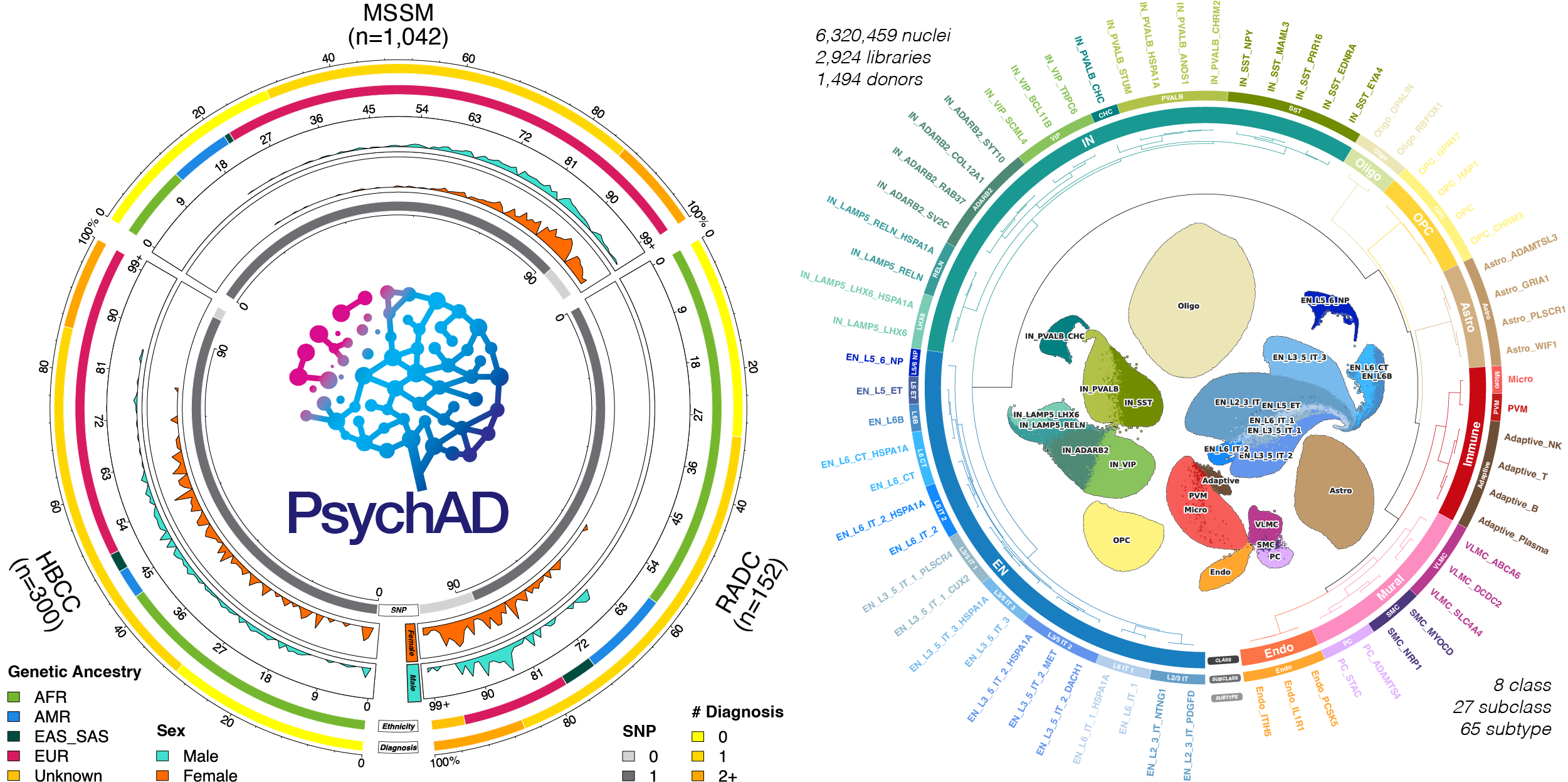
Brain diseases such as Alzheimer's, Parkinson's, other dementias, and schizophrenia are usually studied one at a time, yet their clinical symptoms often overlap. We built the largest single-cell map of the diseased human brain to date, reading gene activity in 6.3 million individual cells from the prefrontal cortex of nearly 1,500 people across eight disorders and healthy brains, and deliberately including donors of diverse ancestry. Studying these conditions side by side, we found cellular vulnerabilities shared across the dementias, alongside changes unique to each disease. In Alzheimer's, we traced how neurons are lost as immune and blood-vessel cells shift, and linked specific neurons to the mood and behavioral symptoms that frequently accompany it, such as depression and agitation. By releasing this atlas openly, we give the research community a common foundation for spotting disease earlier and finding treatments that may work across conditions.
Key highlights
- Largest single-cell atlas of brain disease to date — 6.3 million nuclei from 1,494 donors across eight disorders (AD, diffuse Lewy body disease, vascular dementia, Parkinson's, tauopathy, FTD, schizophrenia, bipolar disorder) plus neurotypical controls, resolving 8 cell classes, 27 subclasses, and 65 subtypes in the human dorsolateral prefrontal cortex.
- A shared “universal” vulnerability unites the dementias — cross-disease signatures in basic cellular functions (mRNA processing, protein localization) are common to all disorders; once these are discounted, AD, Lewy body disease, vascular dementia, and Parkinson's stand out as a genetically and transcriptomically concordant neurodegenerative cluster.
- Alzheimer's remodels the cellular landscape — more severe AD is marked by loss of neurons coupled with expansion of immune and vascular cell populations.
- Cells linked to neuropsychiatric symptoms — a higher abundance of deep-layer excitatory neurons is associated with a broad range of these symptoms in AD, connecting cellular composition to the behavioral burden of dementia.
- Early vs. late disease has distinct cellular drivers — trajectory modeling reveals stage-specific responses, implicating an early activation of immune functions followed by damaging changes in neurovascular functions in later stages.
- This study offers a foundational framework for targeted, cross-disorder treatments that address the molecular complexity of brain dysfunction.
Read the scientific abstract
Neurodegenerative and neuropsychiatric diseases impose a considerable societal and public health burden. However, our understanding of the molecular mechanisms underlying these highly complex conditions remains limited. Here, to gain deeper insights into the aetiology of different brain diseases, we used specimens from 1,494 unique donors to generate a population-scale single-cell transcriptomic atlas of the human dorsolateral prefrontal cortex, comprising over 6.3 million individual nuclei. The cohort includes neurotypical controls, as well as donors affected by eight common and complex brain disorders: Alzheimer’s disease (AD), diffuse Lewy body disease (DLBD), vascular dementia (Vas), Parkinson’s disease (PD), tauopathy, frontotemporal dementia, schizophrenia, and bipolar disorder. We show that interindividual variation accounts for a substantial portion of gene expression variation. By comparing transcriptomic variation across diseases, we reveal universal signatures enriched in basic cellular functions such as mRNA processing and protein localization. After discounting these cross-disease signatures, we show stronger genetic and transcriptomic concordance among AD, DLBD, Vas and PD. Furthermore, we characterize transcriptomic variation among different AD phenotypes, distinct from those observed in healthy ageing, revealing a reduction in neuronal abundance in individuals with more severe AD, coupled with an increase in immune and vascular cell populations. Exploring the neuropsychiatric symptoms (NPSs) that frequently accompany AD, we find an increased abundance of deep-layer excitatory neurons associated with a broad range of NPSs. By constructing transcriptome trajectories that capture AD progression, we implicate cell-type-specific responses in the early and late stages of AD. Our disease atlas provides a perspective of the transcriptomic landscape in neurodegenerative and neuropsychiatric disorders, shedding light on shared and distinct processes involving the neurological–immune–vascular systems, and identifying potential targets for therapeutic intervention.
Lifespan single-cell transcriptomic atlas of the human prefrontal cortex
Why this matters
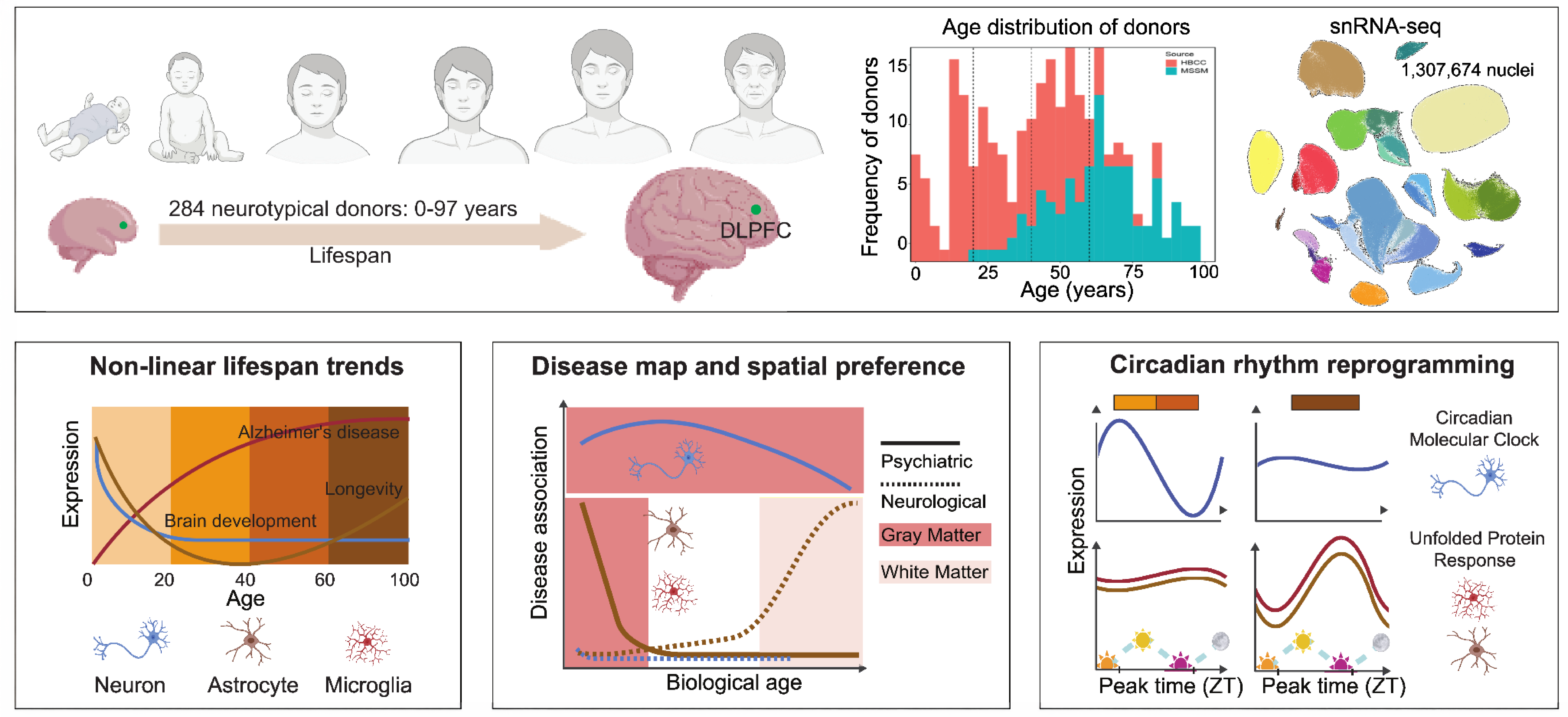
The dorsolateral prefrontal cortex, near the front of the brain, helps us plan, decide, and remember. It is involved in disorders that affect people at different stages of life, including schizophrenia and depression in young adulthood and Alzheimer’s disease later in life. Yet we lack a clear picture of how cells in this region change from birth to old age. We built that picture by profiling more than 1.3 million brain cells from 284 people aged 0 to 97 years. We found three phases of change: rapid remodeling in early life, stability in midlife, and reactivation in later life. Different cell types followed distinct patterns, from early-life changes linked to brain development to late-life changes related to immune activity, stress responses, and the brain’s daily rhythms. This atlas provides a reference for studying how changes across life may shape the risk of brain disorders and guide prevention and treatment.
Key highlights
- Single-nucleus transcriptomic atlas of the neurotypical human DLPFC across the lifespan.
- Three transcriptional phases: developmental remodeling, midlife stability, and late-life reactivation.
- Psychiatric and neurodegenerative genetic risk maps to distinct neuronal and glial lifespan programs.
- Spatial organization of lifespan gene programs across cortical layers and gray–white matter.
- Late adulthood reconfigures circadian programs from neurons toward glial stress-response pathways.
Read the scientific abstract
The human brain undergoes profound changes from early development through late adulthood, shaping cognition, behavior, and vulnerability to disease. Understanding how these changes are organized within specific brain regions and cell types is essential for interpreting normal aging and its relationship to psychiatric and neurodegenerative disorders. The dorsolateral prefrontal cortex plays a central role in higher cognitive functions and is particularly sensitive to age-related decline, yet its cellular and molecular programs across the human lifespan remain poorly defined. Most existing studies have focused on restricted age ranges or disease-affected brains, limiting the ability to distinguish normative developmental and aging trajectories from pathological processes. Consequently, a comprehensive, lifespan-resolved reference of cellular states in the human prefrontal cortex has been lacking. Using a single-nucleus transcriptomic atlas spanning the human lifespan, we show that the dorsolateral prefrontal cortex exhibits non-linear, cell-type–specific transcriptional trajectories, characterized by dynamic remodeling during development, relative stability in midlife, and selective molecular reactivation in late adulthood. We identify distinct neuronal and glial programs, including early-life neuronal resilience pathways and late-life glial programs associated with immune activation, stress responses, and circadian reorganization. These programs are anatomically organized across cortical layers and gray–white matter domains, revealing coordinated spatial and molecular changes not previously appreciated. Together, these findings provide a framework for understanding how cellular programs transition from resilience to vulnerability in the human cortex and establish a foundation for interpreting age-related cognitive decline and disease risk.
Cell-cell interactome changes across multiple neuropsychiatric and neurodegenerative diseases
Read the scientific abstract
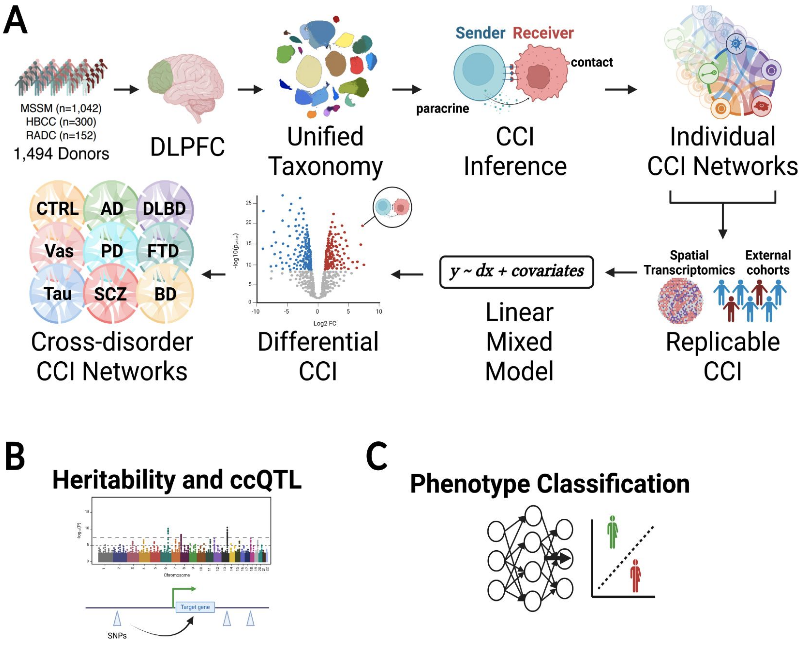
Cell-cell Interactions (CCIs) mediate transcriptomic dysregulation by responding to and altering the microenvironment thereby contributing to the progression of multiple neuropsychiatric (NPD) and neurodegenerative (NDD) diseases, including Alzheimer's disease (AD), schizophrenia, and bipolar disorder. Recent studies suggest a significant portion of cellular and molecular mechanisms are shared across neurological disorders, despite distinct phenotypic features. Firstly, we focused on generating reproducible CCI networks from a large-scale human brain disease atlas. We inferred over 38 million CCIs between 27 neuronal, glial, and immune cell-types using the PsychAD single-nucleus RNA-seq cohort. We validate these CCIs by ensuring inferred ligand-receptor pairs are colocalized with Visium spatial transcriptomic assays. Secondly, we prioritize 3,063 differentially regulated CCIs mediating eight NPDs and NDDs after accounting for biological and technical variations with linear mixed-effects regression models. We show that during the pathogenesis and progression of NPDs and NDDs, a significant portion of genetic and epigenetic subprocesses are shared and driven by CCIs. We show that about 9% of disease-associated CCIs are shared between NDDs and NPDs, with predominantly immune-glial CCIs differentially dysregulated in NDDs. In contrast, neuronal-glial CCIs are predominantly differentially dysregulated in NPDs. Next, we examined the impact of genetic variation on cell-cell signaling to identify CCI quantitative trait loci (cciQTL). 4429 cciQTLs showed a significant association between CCI scores and the genetic variation in neighboring SNPs of ligand and receptor genes within the CCI. These associations were estimated separately for ligand and receptor genes from 16 sender-receiver cell pairs. A substantial fraction (82.8%) of CCI Genes (cciGenes) showed cell type specificity indicating the presence of unique signaling patterns between specific cell types. Finally, we combine the identified CCIs and whole-genome sequencing into an interpretable deep-learning model to enable personalized NPD and NDD risk prediction from individual genotypes. Our results move beyond independent single-gene analyses, incorporating ligand-receptor gene-pair and cell type-specific interactions to elucidate the higher-order molecular mechanisms underlying NPDs and NDDs, identifying targets for pharmacological intervention.
Gene regulatory programs of cognitive resilience and pathogenesis in Alzheimer’s disease
Read the scientific abstract
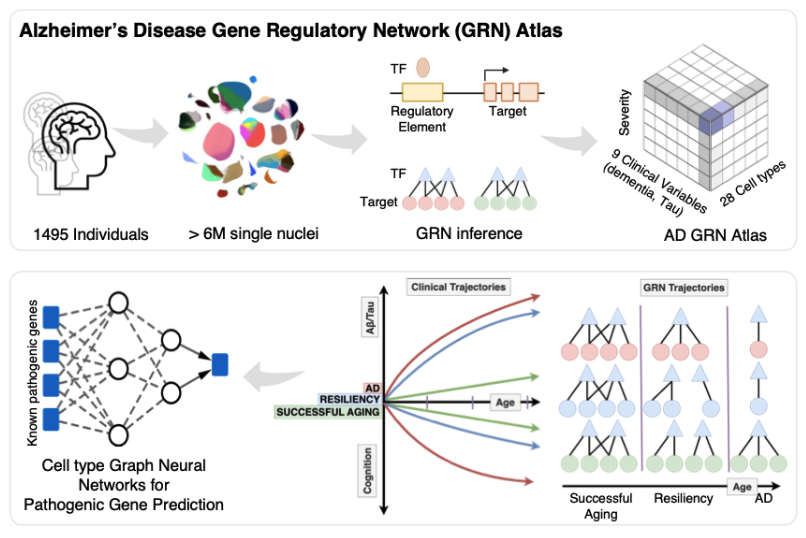
Cognitive resilience in Alzheimer’s disease (AD), wherein individuals maintain cognition despite substantial neuropathology, implies protective regulatory programs that remain poorly characterized. We constructed a cell-type-resolved gene regulatory network atlas from 1.7 million nuclei across 687 individuals spanning 26 cell types in the dorsolateral prefrontal cortex, classified as Control, Resilient, or AD dementia. Analysis of 223 transcription factor regulons reveals a three-state regulatory framework: homeostatic erosion of IRF8/STAT1 interferon programs (State I), compensatory NF-κB suppression via BCL6 that distinguishes resilient from demented individuals (State II), and pathogenic FLI1/IKZF1 network expansion driving vascular-immune remodeling (State III). NF-κB emerges as the central hub, with BCL6-mediated repression and FLI1/RELA-driven activation constituting opposing molecular switches. Replicated across independent cohorts, these findings model resilience as an active regulatory state and nominate stage-specific therapeutic strategies: restoring homeostatic programs, prolonging compensatory suppression, and constraining inflammatory escalation.
AI-based Characterization of Alzheimer’s Disease Phenotypes from Population Scale Single Cell Data
Why this matters
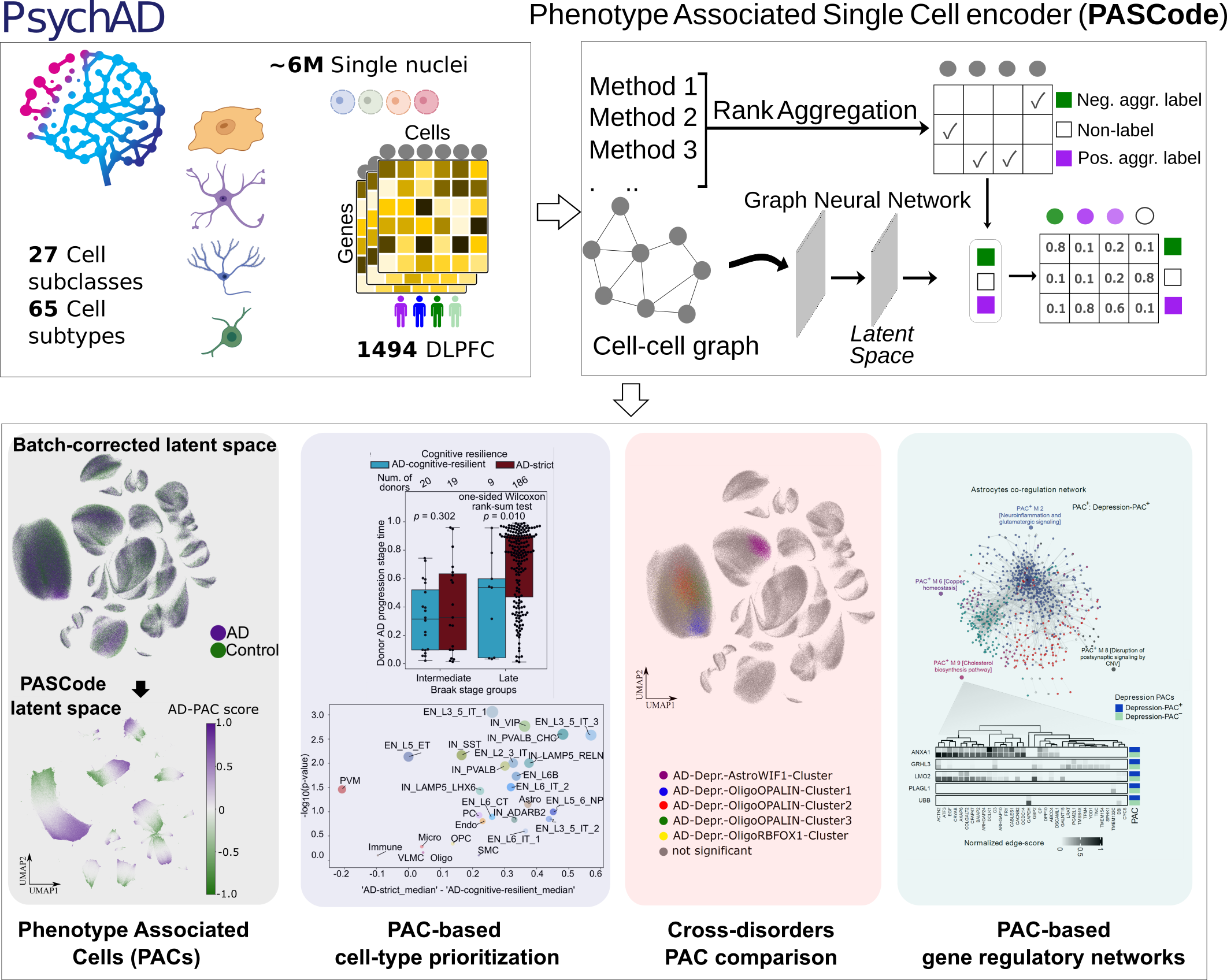
Alzheimer’s disease (AD) affects people in many different ways, including memory loss, changes in brain pathology, and the frequent co-occurrence of neuropsychiatric symptoms (NPS) such as depression or agitation. Understanding the basis of these differences requires identifying the specific cellular states and molecular programs associated with each clinical phenotype. Based on one of the largest single-cell brain datasets for Alzheimer’s disease (PsychAD), we developed PASCode, a computational framework that detects phenotype-associated cells (PACs) across diverse AD-related phenotypes. This approach identified glial, neuronal, and vascular cell subpopulations linked to AD pathology, cognitive resilience, disease progression, and NPS in AD. It also revealed cellular and molecular features converged between AD-associated depression and major depressive disorder. By connecting complex phenotypes to specific cell subpopulations and gene programs, this work provides a valuable resource and framework to advance our understanding of AD.
Key highlights
- Phenotype association scoring (PAC scores) of ~2.3 million cells across 5 common AD-related phenotypes, including AD pathology, cognitive resilience, and AD-associated neuropsychiatric symptoms.
- Phenotypic cell-type prioritization of 27 cell types revealed the importance of astrocytes, microglia, and vascular cells in AD pathology and progression.
- Transcriptomic analysis of neuronal PACs revealed reduced excitatory/inhibitory imbalance and mitochondrial dysfunction in cognitively resilient AD patients, alongside a neuroprotective reactive astrocyte subpopulation.
- Sex-specific differences in AD-associated depression align with major depressive disorder and reveal distinct neuroinflammatory features of depression in AD.
Read the scientific abstract
The complexity of Alzheimer’s disease (AD) manifests in diverse clinical phenotypes, including cognitive impairment and neuropsychiatric symptoms. However, the etiology of these phenotypes remains elusive. To address this, the PsychAD project generated a population-level single-nucleus RNA-seq dataset comprising over 6 million nuclei from the prefrontal cortex of >1,000 individual brains, covering a variety of disease phenotypes. Leveraging this dataset, we developed a computational framework, called Phenotype Associated Single Cell encoder (PASCode), to score single-cell phenotype associations, and identified ∼1.5 million phenotype associated cells (PACs) from 584 donors with AD-related phenotypes. PASCode ensembles multiple statistical methods into a graph neural model for robust scoring. Comparing PACs within 27 brain cell subclasses, we prioritized cell subpopulations and their expressed genes for various AD phenotypes. For instance, we identified microglia subpopulations implicated in AD pathology; reactive astrocyte subtypes with altered neuroprotective and neurotoxic gene expression that likely confer cognitive resilience; and enhanced excitatory/inhibitory imbalance and mitochondrial dysfunction in cognitively impaired AD donors. We also identified many PACs for multiple phenotypes, including the astrocytes between AD and depression showing specific gene expression patterns such as inflammation and Endoplasmic Reticulum stress pathways. These prioritized subpopulations, genes and pathways potentially offer valuable insights for precision diagnostic and therapeutic development. We also validated our findings in external population-scale datasets including AD and major depression disorder, compiled an AD-phenotypic single-cell atlas, and delivered the framework as an open-source tool with pre-trained models and a web application for community use.
Data & resources
Research groups
Personalized Single-Cell Transcriptomics Reveals Molecular Diversity in Alzheimer's Disease
Why this matters
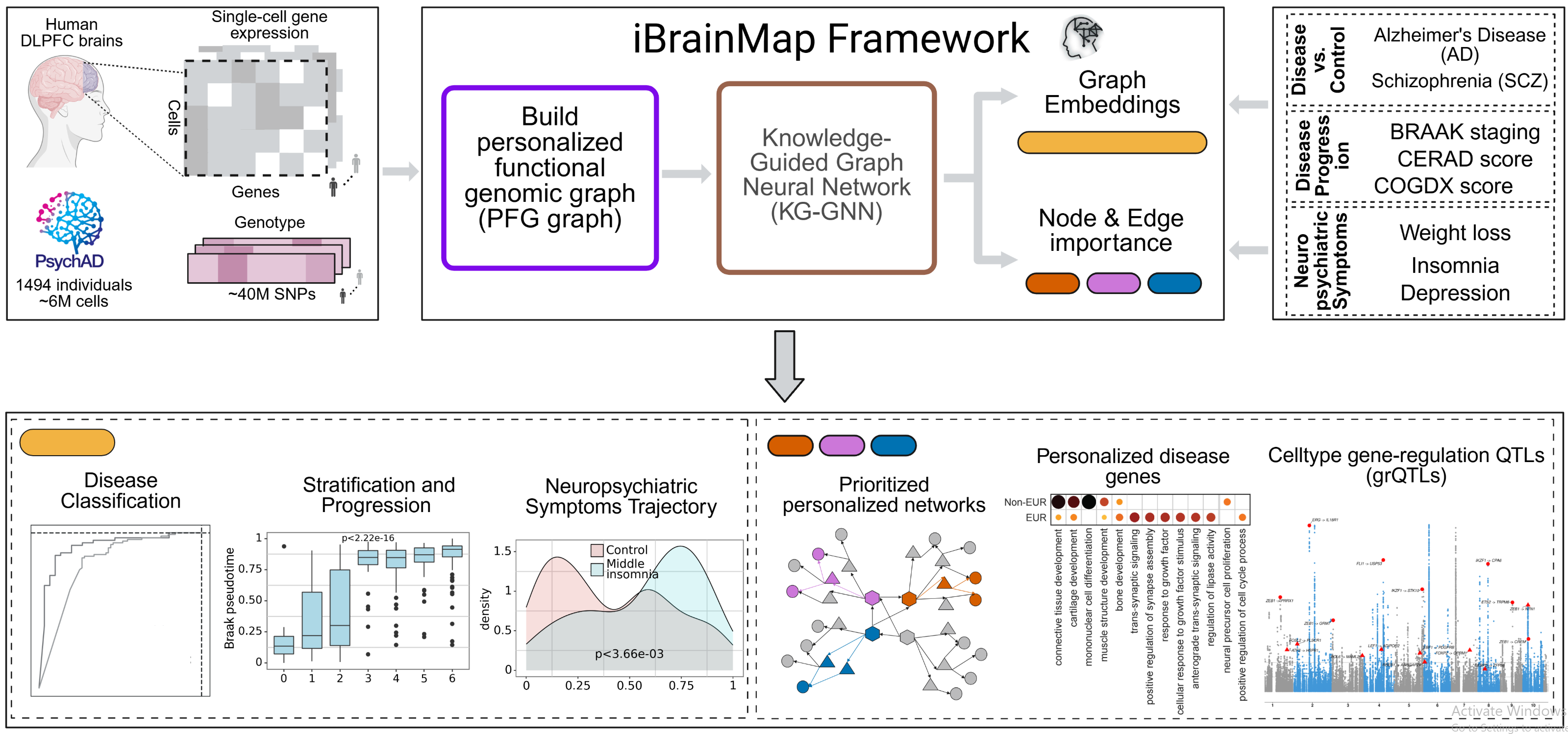
Alzheimer’s disease (AD) is a complex disorder that affects people in different ways, with a wide range of symptoms and rates of disease progression driven by changes in brain cells and genes. To better understand this diversity, biological changes must be studied at the individual level. To address this challenge, we developed iBrainMap, an AI-powered tool that builds personalized brain roadmaps showing how brain cells communicate and how genes work together in each individual. This approach improved our ability to distinguish AD from healthy individuals and revealed potential disease subgroups. We also uncovered unique patterns of cell-type-specific gene interactions and genetic variation that may help explain why Alzheimer’s affects people differently. These findings provide a valuable resource for exploring the biological diversity of AD. Ultimately, our goal is to understand how genetic differences influence disease outcomes through the biological processes that connect them, helping guide the development of more precise diagnostics and targeted therapies for Alzheimer’s disease and other neurodegenerative disorders.
Key highlights
- Personalized functional genomic atlas of the human DLPFC, covering functional genomic graphs for 1,494 individuals from the PsychAD cohort.
- A knowledge-guided graph neural network improved AD phenotype classification over state-of-the-art methods and identified novel subpopulations and trajectories correlated with stages of AD progression.
- Prioritized donor-level cell types, genes, and interactions for AD phenotypes (e.g., AD, BRAAK, cognitive decline, and neuropsychiatric symptoms).
- Identified 33,114 gene-regulation QTLs across 27 cell types linking genetic variants to changes in gene regulation at the cell-type level.
Read the scientific abstract
Alzheimer’s disease (AD) is highly heterogeneous and driven by diverse molecular and cellular mechanisms. Functional genomics investigates these mechanisms from genetic variants to gene expression and regulation. We performed personalized functional genomics analysis on population-scale single-nucleus RNA-seq data, with cross-cohort validation across multiple cohorts comprising over 1900 individual brains, capturing donor-level cell type interactions and gene regulatory networks. Using a knowledge-guided graph neural network, we learned latent representations of each donor’s functional genomics that accurately classified AD phenotypes, identified molecularly defined subpopulations, and traced disease progression trajectories. Our importance scores, derived from graph attentions, identified significant inter-donor differences and prioritized personalized cell-type genes and regulatory networks. Finally, we identified gene regulatory QTLs (grQTLs) linking genetic variants to donor-level regulatory changes, providing insights into gene regulatory relationships beyond transitional eQTLs. All results are summarized into a personalized functional genomics atlas for AD, including an open-source framework, iBrainMap, for general use.
Data & resources
Research groups
Single-Nucleus Atlas of Cell-Type Specific Genetic Regulation in the Human Brain
Why this matters
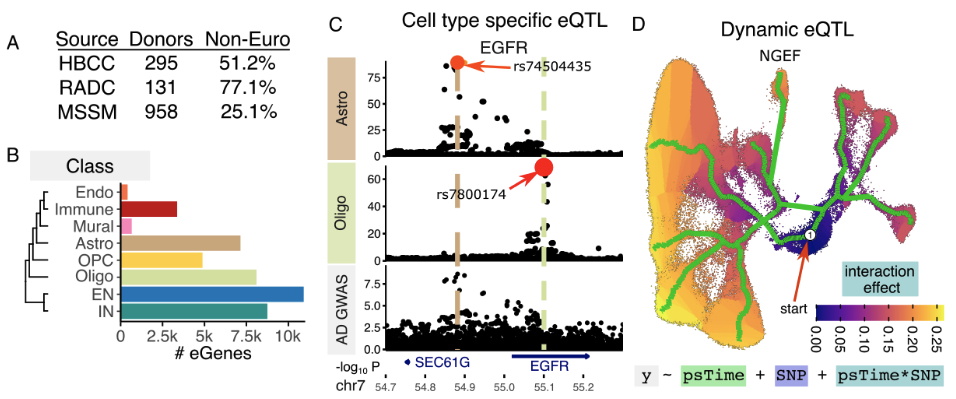
Genetic variants impact risk for brain disorders like schizophrenia and Alzheimer's disease, and many confer disease risk by affecting regulatory DNA that controls when and where genes are expressed. These regulatory effects differ across tissues and cell types. Here, we generate a high-resolution genetic regulatory atlas of gene expression in the human brain spanning 8 major cell classes and 27 subclasses. Integrating this regulatory atlas with disease risk variants elucidates the cell-type-specific and dynamic molecular mechanisms of risk for neurodegenerative and neuropsychiatric disease.
Key highlights
- Multi-ancestry atlas of genetic regulation of gene expression in the human prefrontal cortex, comprising 5.6 million nuclei from 1,384 donors of diverse ancestries.
- Identifies genetic regulation for 14,258 genes across 8 major cell classes and 27 subclasses.
- Cell-type-specific regulatory signals colocalize with genetic risk variants for schizophrenia and Alzheimer's disease.
- Identifies 2,073 dynamic regulatory effects across developmental trajectories and 1,655 genes with trans-regulatory effects.
Read the scientific abstract
Genetic risk variants for common diseases are predominantly located in non-coding regulatory regions and modulate gene expression. Although bulk tissue studies have elucidated shared mechanisms of regulatory and disease-associated genetics, the cellular specificity of these mechanisms remains largely unexplored. This study presents a comprehensive single-nucleus multi-ancestry atlas of genetic regulation of gene expression in the human prefrontal cortex, comprising 5.6 million nuclei from 1,384 donors of diverse ancestries. Through multi-resolution analyses spanning eight major cell classes and 27 subclasses, we identify genetic regulation for 14,258 genes, with 857 showing cell type-specific regulatory effects at the class level and 981 at the subclass level. Colocalization of genetic variants associated with gene regulation and disease traits uncovers novel cell type-specific genes implicated in Alzheimer's disease, schizophrenia, and other disorders, which were not detectable in bulk tissue analyses. Analysis of dynamic genetic regulation at the single nucleus level identifies 2,073 genes with regulatory effects that vary across developmental trajectories, inferred from a broad age range of donors. We also uncover 1,655 genes with trans-regulatory effects, revealing distal regulation of gene expression. This high-resolution atlas provides unprecedented insight into the cell type-specific regulatory architecture of the human brain, and offers novel mechanistic targets for understanding the genetic basis of neuropsychiatric and neurodegenerative diseases.
Data & resources
Research groups
Single-nucleus transcriptome-wide association study of human brain disorders
Why this matters
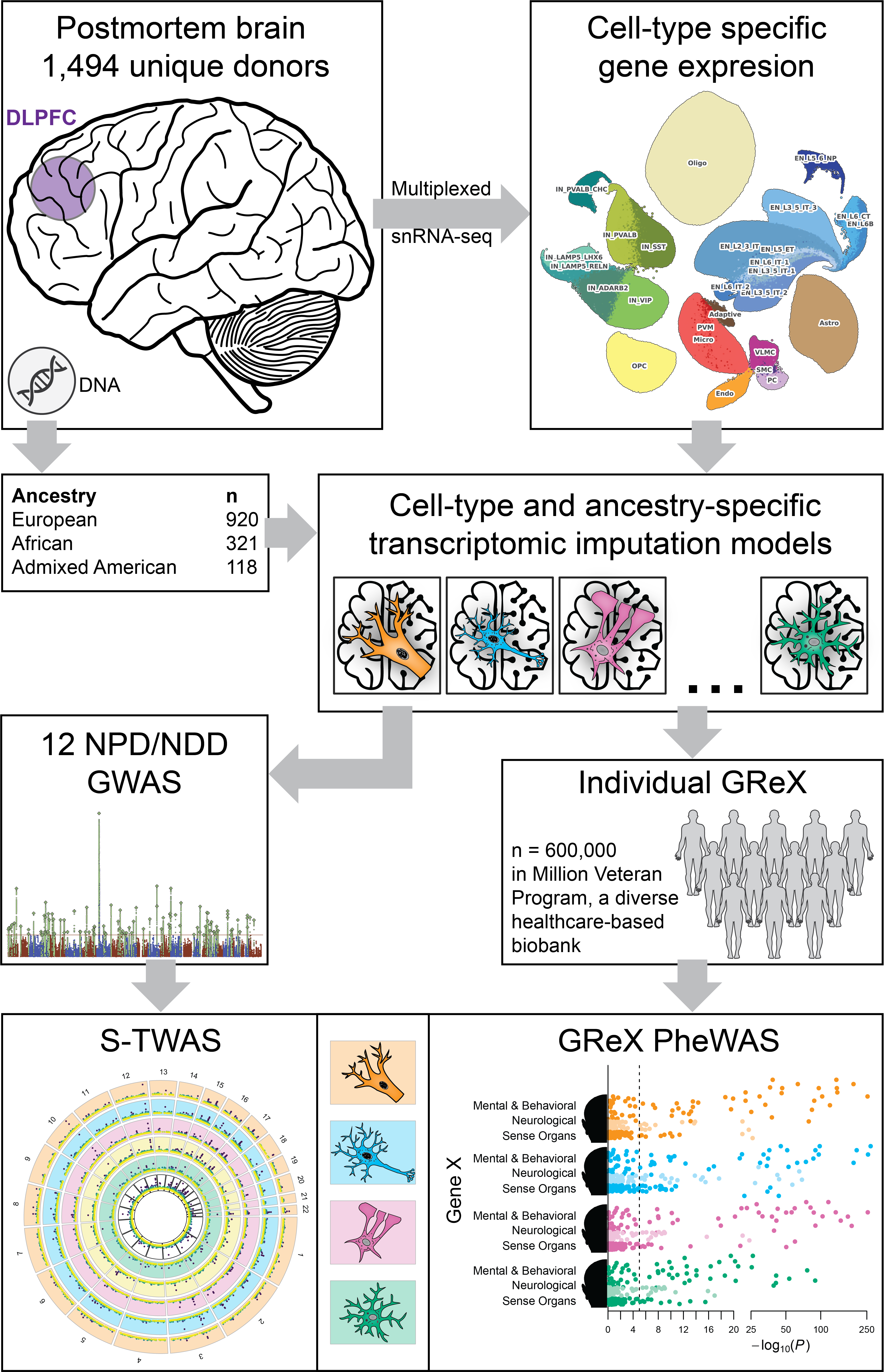
Common brain disorders — from schizophrenia and depression to Alzheimer's and Parkinson's — carry inherited risk, but finding where in the brain that risk actually acts has been hard. Gene studies flag many DNA regions tied to these conditions, yet most don't code for proteins; instead they fine-tune how genes switch on in specific types of brain cells. Older methods blended all brain cells together and mostly studied people of European ancestry, washing out these signals. Using single-cell data from the prefrontal cortex of the diverse, multi-ancestry PsychAD cohort, we built models that predict how inherited DNA shapes gene activity in each major brain cell type. This uncovered thousands of gene–disease links missed by earlier approaches and traced them to particular neurons, support cells, and immune cells — findings we confirmed across ancestries in a large study of U.S. veterans. The result is an open, ancestry-aware atlas that helps pinpoint causal genes and sharpen the search for new treatments.
Key highlights
- 94 brain cell-type-specific models impute genetically regulated gene expression from genotypes; all are publicly released to spur future discoveries.
- Increasing the cellular resolution of TWAS increases the ability to discover both clinically relevant and novel gene-trait associations.
- snTWAS identifies signals in biologically relevant cell types.
- Trait-related dysregulation and the extent of genetic regulation are broadly consistent across ancestries.
Read the scientific abstract
Common brain disorders impose a substantial health burden, but localizing their genetic risk in the brain remains challenging. While genome-wide association studies have identified numerous loci associated with neuropsychiatric and neurodegenerative disorders, many of these loci lie in non-coding regions that influence gene expression in specific cell types. Traditional bulk brain transcriptomic analyses, which often focus on European ancestry cohorts, average over cellular diversity, obscuring genetic risk-related changes in gene expression. Here, we use single-nucleus gene expression profiles from the dorsolateral prefrontal cortex in the multi-ancestry PsychAD cohort to develop transcriptomic imputation models of genetically regulated expression across major brain cell types. Applying these models to neuropsychiatric and neurodegenerative disorders reveals thousands of gene-trait associations that are undetectable in bulk tissue analyses and resolves many signals to discrete neuronal, glial, and immune cell populations. Cross-ancestry analyses in the Million Veteran Program confirm these associations, reveal pleiotropic effects of cell-type-specific predicted expression, and demonstrate that trait-related dysregulation is conserved across ancestries, enabling mapping of causal genes and pathways. Together, these findings provide a cell-type-resolved and ancestry-aware atlas of genetically regulated expression in the human prefrontal cortex and illustrate how single-nucleus transcriptomics can sharpen gene discovery and therapeutic target prioritization for complex brain disorders.
Fast, flexible analysis of compositional data with crumblr
Why this matters
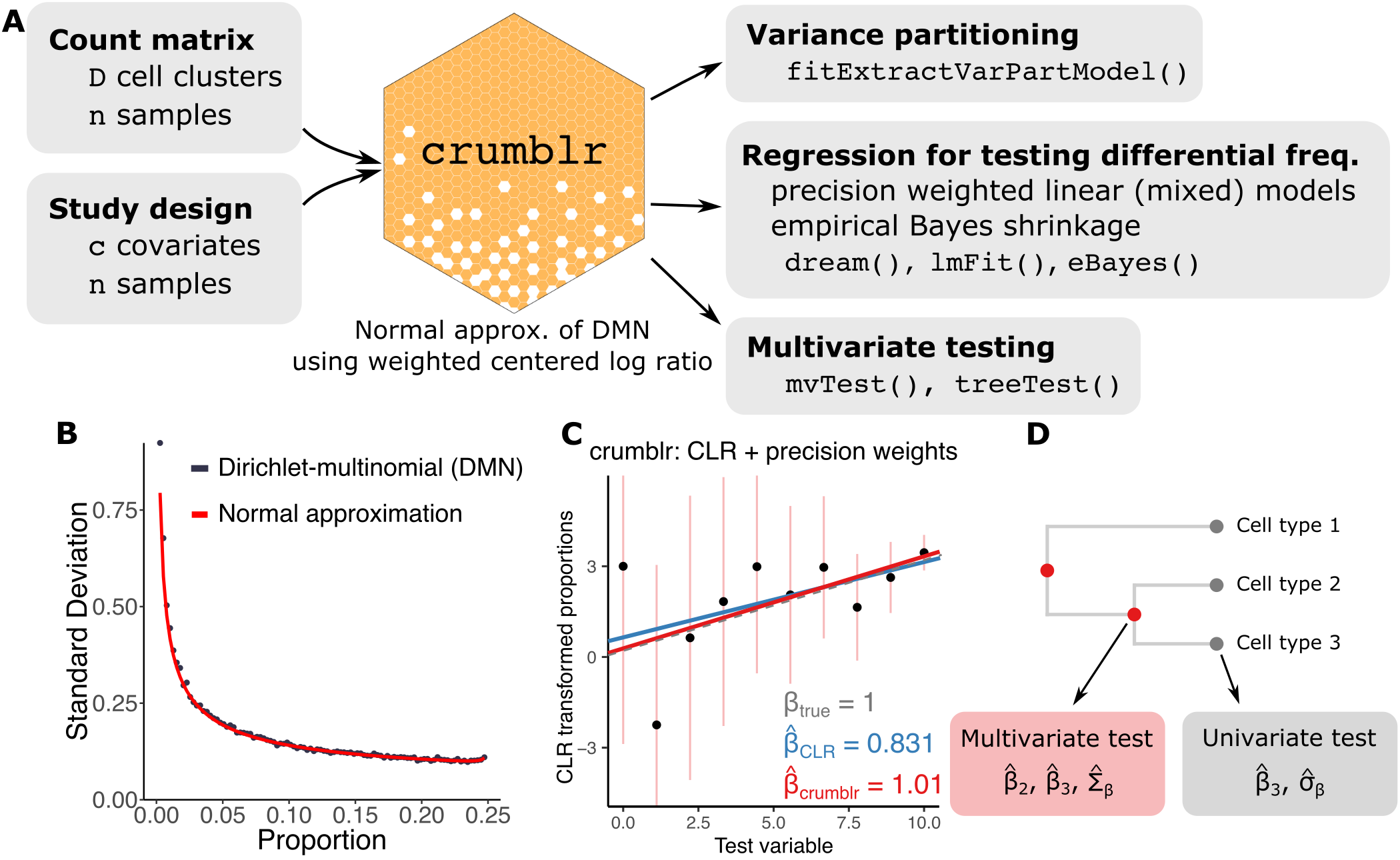
Tissues are made up of many cell types that each play their own role in health, aging, and disease. Identifying changes in cellular composition associated with a given variable can inform the molecular mechanisms of a stimulus or disease. Here, we develop the open-source crumblr package and statistical method to accurately identify differences in cell-type composition. The method is fast, flexible, scales to large datasets, and controls the false positive rate while matching state-of-the-art power to find compositional changes.
Key highlights
- Open-source R/Bioconductor package with extensive documentation.
- Detects differences in cell-type composition at multiple resolutions.
- Precision-weighted regression integrates easily with existing methods.
- Matches state-of-the-art power while controlling the false positive rate.
Read the scientific abstract
Changes in cell type composition play an important role in human health and disease. Recent advances in single-cell technology have enabled the measurement of cell type composition at increasing cell lineage resolution across large cohorts of individuals. Yet this raises new challenges for statistical analysis of these compositional data to identify changes in cell type frequency. We introduce crumblr (DiseaseNeurogenomics.github.io/crumblr), a scalable statistical method for analyzing count ratio data using precision-weighted linear mixed models incorporating random effects for complex study designs. Uniquely, crumblr performs statistical testing at multiple levels of the cell lineage hierarchy using a multivariate approach to increase power over tests of one cell type. In simulations, crumblr increases power compared to existing methods while controlling the false positive rate. We demonstrate the application of crumblr to published single-cell RNA-seq datasets for aging, tuberculosis infection in T cells, bone metastases from prostate cancer, and SARS-CoV-2 infection.
Data & resources
Research groups
Generalizable Prediction of Alzheimer’s Disease pathologies with Human-Level Accuracy
Read the scientific abstract
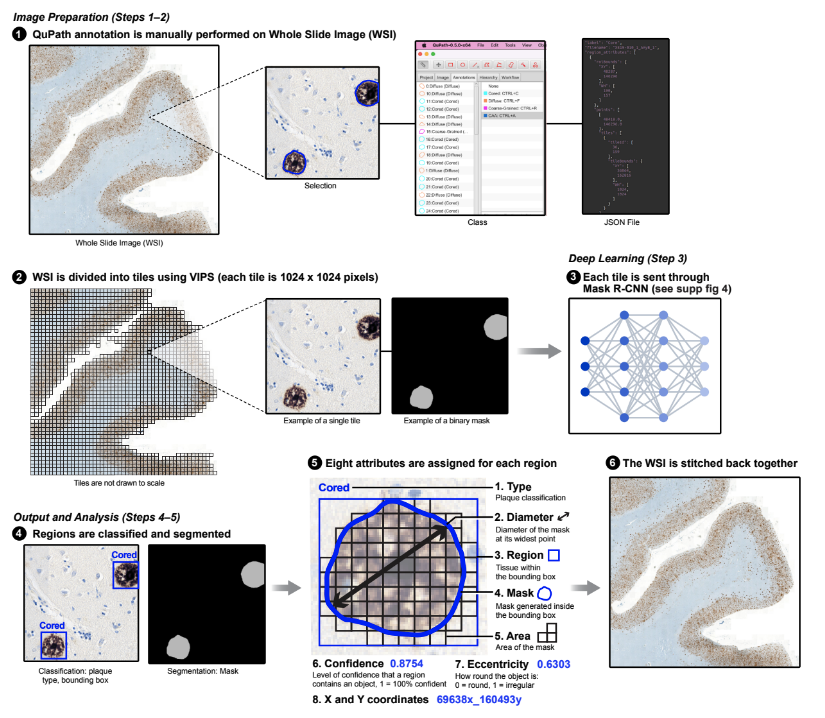
Characterizing neuropathology in Alzheimer’s disease (AD) is laborious and time consuming, and susceptible to intra- and inter-observer variability. The lack of high throughput approaches to reliably assess neuropathology hampers efforts to use pathology as a means to link clinical features of AD to molecular pathogenesis in the ever growing datasets of AD patients. To remove this roadblock, we designed a computational pipeline that analyzes postmortem tissue from AD patients in a fully automated and unbiased manner in only 20 minutes per whole slide image, a fraction of the time taken with conventional approaches. We trained algorithms to detect, classify, and segment different types of amyloid pathology with a Mask Regional-Convolutional Neural Network. To establish ground truth for training and validation, we developed a tool that collects consensus annotations of neuropathology experts. Our algorithms accurately identified amyloid pathology in samples unrelated to the training dataset, indicating that they detect generalizable pathology features. Our design makes it possible to reconstruct a map of pathology across the entire whole slide image, facilitating neuropathological analyses at multiple scales. Quantitative measurements of amyloid pathology are correlated with the severity of AD measured by standard approaches. Our computational pipeline should enable rapid, unbiased, inexpensive, quantitative and comprehensive neuropathological analysis of large tissue collections and integration with orthogonal clinical and multi omic measurements.
Efficient differential expression analysis of large-scale single cell transcriptomics data using dreamlet
Why this matters
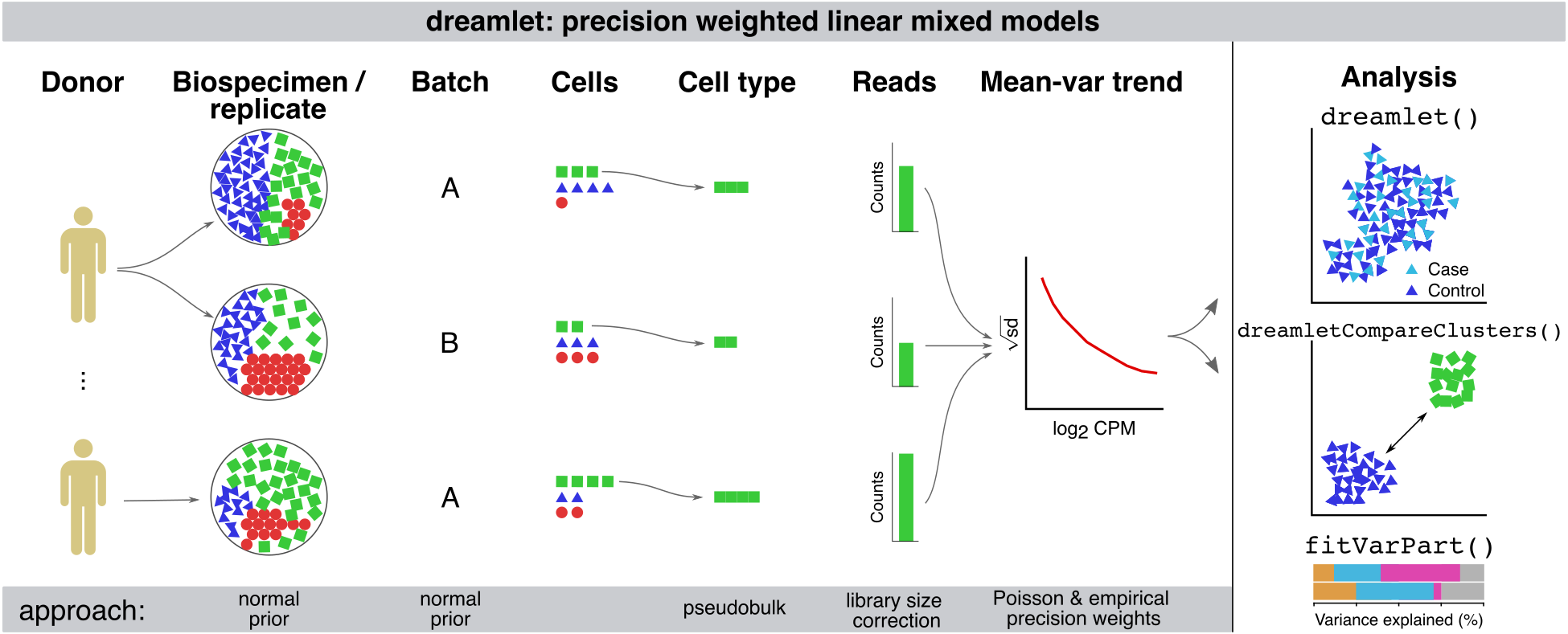
Advances in single-cell and multi-modal genomics have enabled population-scale datasets comprising millions of cells from thousands of individuals, creating unprecedented opportunities to study how cell-type-specific molecular programs vary across disease states, genetic backgrounds, and environmental perturbations. Yet extracting biological insight from these data remains a major computational challenge, because existing workflows often force investigators to choose between sophisticated statistical models and practical computational performance. We developed the open-source dreamlet package to identify genes that are differentially expressed with a variable of interest in large-scale single-cell datasets. Dreamlet is fast, flexible, scales to large datasets, controls the false positive rate, and enables rapid analysis of emerging datasets.
Key highlights
- Open-source R/Bioconductor package with extensive documentation.
- Detects differential gene expression at the cell-type level using precision-weighted linear and linear mixed models.
- Designed for large cohorts: substantially faster and lower memory than existing workflows, while supporting complex statistical models and controlling the false positive rate.
Read the scientific abstract
Advances in single-cell and -nucleus transcriptomics have enabled generation of increasingly large-scale datasets from hundreds of subjects and millions of cells. These studies promise to give unprecedented insight into the cell type specific biology of human disease. Yet performing differential expression analyses across subjects remains difficult due to challenges in statistical modeling of these complex studies and scaling analyses to large datasets. Our open-source R package dreamlet (DiseaseNeurogenomics.github.io/dreamlet) uses a pseudobulk approach based on precision-weighted linear mixed models to identify genes differentially expressed with traits across subjects for each cell cluster. Designed for data from large cohorts, dreamlet is substantially faster and uses less memory than existing workflows, while supporting complex statistical models and controlling the false positive rate. We demonstrate computational and statistical performance on published datasets, and a novel dataset of 1.4M single nuclei from postmortem brains of 150 Alzheimer’s disease cases and 149 controls.
Data & resources
Research groups

Population-scale cross-disorder atlas of the human prefrontal cortex at single-cell resolution
Why this matters
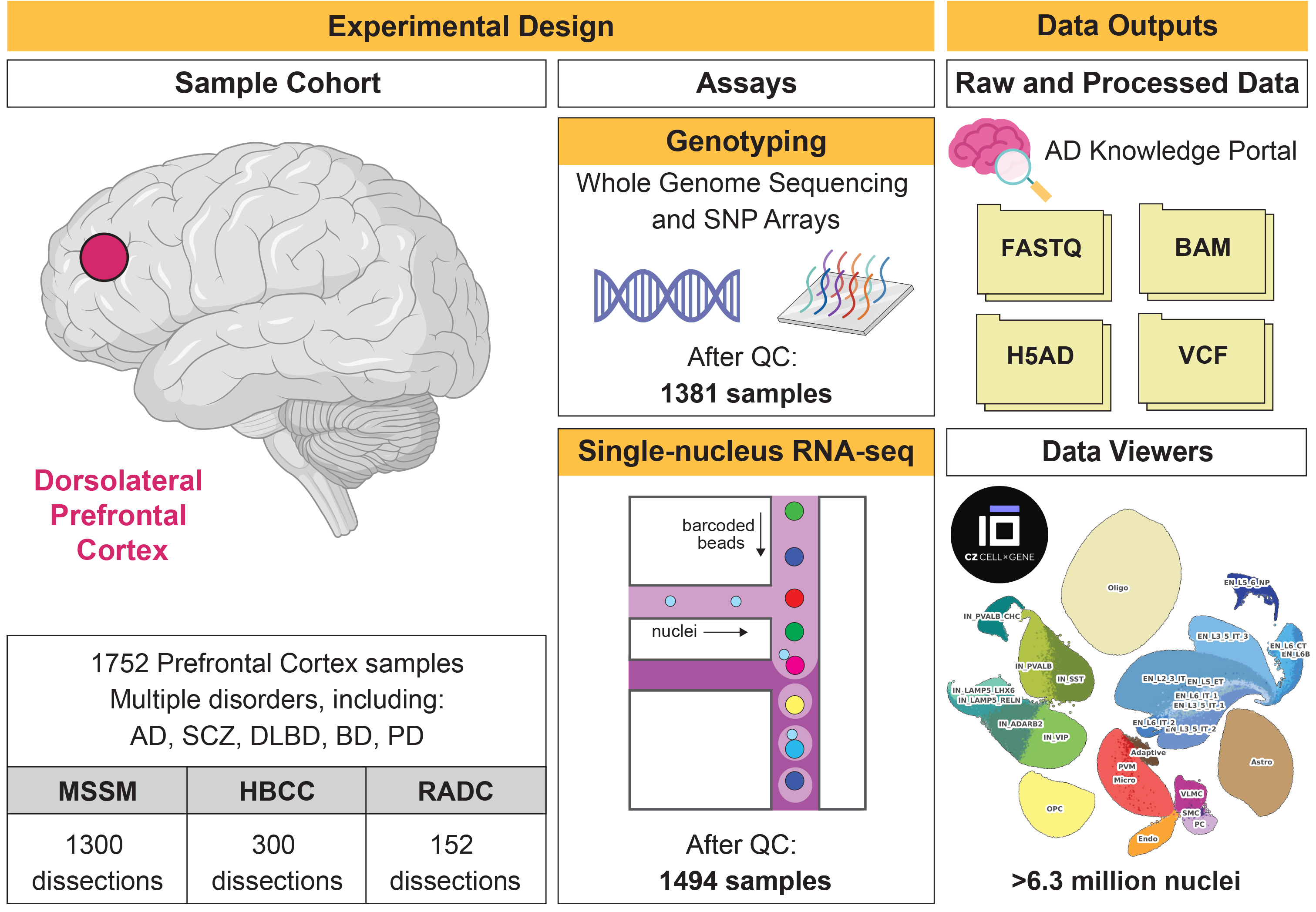
The human brain is an extraordinarily complex organ made up of diverse cell types and functional regions, and brain disorders often arise from abnormalities in rare cell populations within specific areas. Traditional approaches analyze bulk tissue and are poorly suited to detecting these subtle disease signatures. To advance understanding of brain disorders and help identify therapeutic targets, we profiled gene expression in more than 6 million individual cells from roughly 1,500 human prefrontal cortex specimens — from neurologically healthy donors and from patients with a range of neurodegenerative and psychiatric conditions, including Alzheimer’s and Parkinson’s diseases, diffuse Lewy body dementia, schizophrenia, and bipolar disorder. Openly shared, this dataset offers an unprecedented opportunity to characterize disease-associated gene expression at cellular resolution, identify disorder-specific signatures, and uncover shared biological pathways across multiple brain diseases.
Key highlights
- Gene expression from >6 million individual cells from the brains of ~1,500 donors.
- Genotype data available for more than 90% of donors, enabling integrated analyses of genetic variation and cell-type-specific gene expression.
- Donors affected by different diseases allow comparison of disease signatures at population scale.
- Publicly available, facilitating further analysis and interpretation across the scientific community.
Read the scientific abstract
Neurodegenerative diseases and serious mental illnesses often exhibit overlapping characteristics, highlighting the potential for shared underlying mechanisms. To facilitate a deeper understanding of these diseases and pave the way for more effective treatments, we have generated a population-scale multi-omics dataset consisting of genotype and single-nucleus transcriptome data from the prefrontal cortex of frozen human brain specimens. Encompassing over 6.3 million nuclei from 1,494 donors, our dataset represents a diverse range of neurodegenerative and serious mental illnesses, including Alzheimer’s and Parkinson’s diseases, schizophrenia, bipolar disorder and diffuse Lewy body dementia, as well as neurotypical controls. Our dataset offers a unique opportunity to study disease interactions, as 21% of donors had comorbid diagnoses of two or more major brain disorders. Additionally, it includes detailed phenotypic information on neuropsychiatric symptoms, such as apathy and weight loss, which commonly accompany Alzheimer’s disease and related dementias. We have performed stringent preprocessing and quality controls, ensuring the reliability and usability of the data. As a commitment to fostering collaborative research, we provide this valuable resource as an online repository, enabling widespread analyses across the scientific community.
Data & resources
Research groups
Equal contribution · Corresponding author